What a bizarre weekend we had sitting on a knitted sofa, a planted chair and a haphazard mix of other chairs, cushions and rugs on Mill Road in Cambridge the most unequal city in the UK, together with 3 giant rag dolls (made by women at Corona House) and a tea trolley laden with cakes and squash. I sometimes wondered what we were doing there, even though it had been my idea originally. We called the event “Putting the World to Rights” and we were able to occupy the street because the bridge on Mill Road was closed, effectively cutting the street in half and stopping vehicles from driving from one end of the road to the other. The purpose of us being there was to ask people about inequality and the environment in the context of the bridge closure. I feel strongly that we need to tackle inequality and revolutionise our systems and institutions if we are to effect environmental change and tackle climate change. I was also concerned that some in the community were celebrating the positive environmental impact of the bridge closure, without adequately assessing its impact on disabled people, the working class and the precariat. This was a simple way of discussing this issue with a wide range of local people. We asked simple questions such as: Are you pleased that there are fewer cars? And do you think road closures affect the poorest most? Which led to long and in-depth conversations. The overall view even of those who had been marginalised and majorly inconvenienced by the bridge closure was that they were pleased with the positive environmental impacts of the bridge closure, the events that had been planned and the way that the community was conversing more. However, it had caused serious problems for some people and this is something that I think we need to think through more carefully whenever there are road closures, borders, barriers, gates and gate keepers. I haven’t yet typed up all of the comments I have received or researched the positive statistics about the reduction in traffic and improvement in air quality, but I will be doing this soon and adding to the conversation. Please continue to add to this discussion if you want to. Thank you to artist, activist and community worker Cathy Dunbar for joining me with her amazing knitted sofa and web of wool. Thank you also to the Cambridge DPAC (Disabled People Against the Cuts) group and many others who sat and knitted, crocheted and chatted.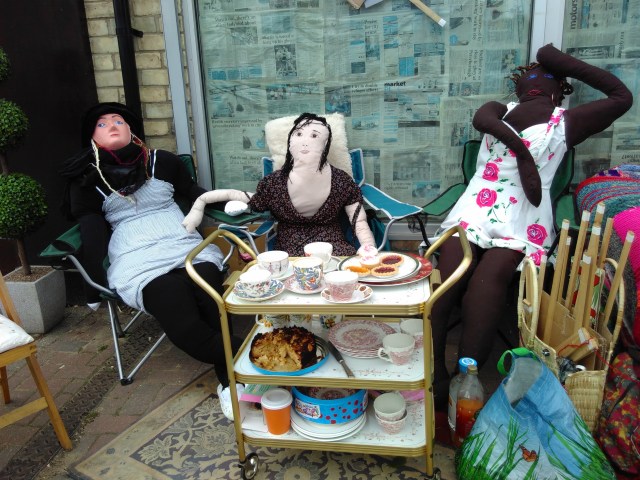
- Comment
- Reblog
-
Subscribe
Subscribed
Already have a WordPress.com account? Log in now.
 Jill Eastland - Artist Activist